
The Complete Guide To Environmental Noise Control
Environmental noise control is the discipline of preventing unwanted sound from leaving a facility and impacting surrounding communities, receptors, and long-term operations. Here we will explore the real financial and operational risks of uncontrolled noise across industries — from industrial manufacturing to data centers — and explore how proper assessment, engineered mitigation, and modular design can turn compliance into a strategic advantage.
Table of Contents


What is
Environmental
Noise?
Environmental noise is unwanted noise emanating from a facility.
Noise is also different than sound. Sound is neutral. Noise is sound people do not want, and perception is often what turns a manageable situation into complaints, inspections, and headlines.
Environmental noise control is what keeps sound from leaving your site and becoming someone else’s problem. It’s not just about meeting a number on paper. It’s about keeping permits on track, preventing community backlash, protecting uptime, and avoiding expensive retrofits later.
Environmental noise control focuses on reducing the sound that leaves a facility (and the limits of its property) and impacts the surrounding community, nearby homes, hospitals, schools, businesses, public spaces, and any range of noise receptors.
Where It Shows Up
- Every Major Sector
- Facilities of Every Size
- Every Community Type
- At Every Stage
Why It Matters
If sound becomes noise to the public, it escalates fast. Complaints turn into inspections. Inspections turn into operating restrictions, permit delays, redesigns, reputational damage and even as far as complete operation shutdown.
The most effective approach is to address excess noise early and integrate noise mitigation into site and equipment design from the onset of a project.
The Real Costs of Uncontrolled Noise
Uncontrolled environmental noise does not just create irritation. It creates consequences.
The Hard Costs
- Complaints, fines, and enforcement actions
- Delays obtaining or renewing permits
- Redesigns after construction has already started
- Expensive retrofits (retrofit solutions cost more and rarely integrate cleanly into the built environment.)
- Downtime to install retrofit solutions
The Soft Costs
(That Become Hard Costs Later)
- Community backlash
- Reputational risk with municipalities and stakeholders
- Political resistance to future expansion
- Loss of trust, even if you are technically “within limits”
Cost Risks and Impacts
A facility that spends $75K – $150K upfront (~1% of total construction budget) on proper environmental noise control can avoid $500K – $1M+ in cumulative losses over 10 years. That’s a 5-10X ROI in hard cost savings – not counting the value of community goodwill, brand reputation, and operational certainty.
| Content | Typical Cost Impact | Avoided/Saved With Early Noise Control |
|---|---|---|
| Noise Violations & Fines | $500 – $5,000 per infraction (some municipalities escalate to $10,000 for repeat offences). Have been instances of actual shut downs of plant facilities due to noise violations. | Saves $500 - $10,000 per avoided citation. |
| Permit Delays & Legal Disputes | Upwards of $250K+ in lost productivity, revenue, or financing costs. | Saves $250K+ per project by preventing delays or disputes. |
| Community Complaints & Public Relations | Reputational damage + forced “good-neighbor” retrofits cost $25K – $150K. | Saves $25K–$150K in unbudgeted appeasements and crisis work. |
| Retrofits After Construction | Post-build barriers or enclosures cost 3–5× more ($100K – $2M+ per system). | Saves 60–80% per system by integrating at design. |
| Operational Downtime During Fixes | Lost production or power downtime = $10K – $100K per day. | Saves $10K–$100K per day of avoided downtime. |
| Maintenance & Service Access Costs | Non-serviceable designs require cranes or shutdowns = $5K – $10K per event. | Saves $3K–$9K per event (70–90%); $30K–$90K over 10 years (typical). |
Why Early Planning Wins
Early, thoughtful environmental noise control saves money, prevents downtime, and protects long-term operations. It is cheaper to design for noise up front than to bolt on fixes later.
Modularity and Pre-Fabrication Benefits
Modular design and prefabrication reduce risk by:
speeding up schedules (less site work, fewer surprises)
improving build consistency and quality control
enabling easier future service access
making retrofits less painful when sites evolve
reducing rework caused by clashes with airflow, structural, access, and utilities
Data Centers: The Public Backlash Pattern
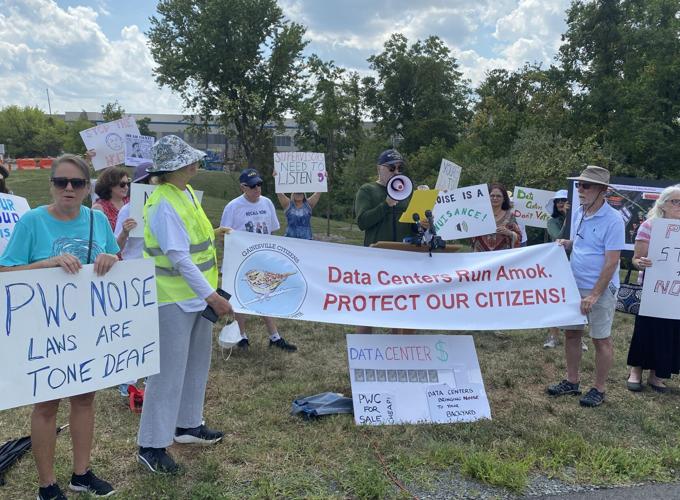
Data centers are a perfect example of how noise becomes a public issue. Cooling systems can create constant noise that is more noticeable at night and spreads farther than people expect. Communities are increasingly organizing around this.
Virginia DC Public Concerns
Controversial data center approvals in Virginia after intense public opposition.

Regulatory
Standards and Compliance
Environmental noise limits are typically set through municipal, state, or provincial bylaws, with thresholds measured at property lines, nearby residences, or defined community receptors such as hospitals, schools, or sensitive public areas. These limits often vary by time of day, with stricter requirements during evening and nighttime hours.
Quieter suburban and rural communities generally enforce lower allowable noise levels than dense urban areas. Many jurisdictions also cap how much louder a facility can be relative to existing background noise, meaning even small increases can trigger compliance issues or public complaints.
How the US and Other Countries
Differ in Practice
While many countries rely on local authorities, there are meaningful differences in how noise regulations are created, updated, and enforced:
In the United States, noise standards are often:
- Highly localized, with wide variation between municipalities
- Updated inconsistently, sometimes lagging behind new infrastructure types
- Enforced through a mix of formal regulation and reactive complaint-based processes
Internationally, noise limits are more likely to be:
- Influenced by national or provincial frameworks (e.g., EU Environmental Commission, Ontario MOE guidance)
- Applied with greater emphasis on modeling, consultant interpretation, and predictive assessment
- Anchored to structured environmental approval processes, particularly for industrial and energy projects
In most countries, ordinances frequently lag behind modern facility design, emerging technologies, and evolving community expectations. The US, however, is following the lead of other countries and catching up in many regions.

Where Ordinances Break Down (and Why Data Centers Expose the Problem)
New infrastructure, especially data centers, has revealed major gaps in how noise regulations are written and applied.
Common ordinance blind spots include:
- Tonal or low-frequency noise (such as cooling fans and mechanical hum) that feels more intrusive than broadband noise
- Assumptions based on “average” sound profiles that do not match how people actually experience persistent noise
- Measurement frameworks that prioritize single-point decibel limits instead of area-based or time-weighted impact
- Regulations that assess compliance on paper, while ignoring repetition, nighttime audibility, and community tolerance
Data centers highlight this gap because they often:
- Operate 24/7, even at night when ambient noise is lowest
- Generate constant, tonal sound that travels farther and feels more noticeable
- Sit increasingly close to residential developments, where tolerance is low
- Trigger public scrutiny and municipal backlash, even when technically within numeric limits
This creates a scenario where a facility can be legally compliant but socially non-compliant, putting approvals, expansion plans, and reputation at risk.
Why Proper Assessment Is Required to Be Truly Compliant
True environmental noise compliance is not just about meeting a posted decibel number. It requires professional acoustic assessment and predictive modeling that accounts for:
- Real receptor locations, not generic property boundaries
- Nighttime conditions and worst-case operating scenarios
- Tonal and low-frequency components, not just overall loudness
- Sound propagation across terrain, buildings, and weather conditions
- Human perception, persistence, and likelihood of complaint
Without this level of assessment, facilities risk being “technically compliant” while still triggering complaints, inspections, political pressure, and reputational damage.
The real objective is not just passing a regulation. It is designing noise performance that holds up in real-world conditions, protects community trust, and avoids future operational or public-perception risk.
Key Challenges Across Industries
Every industry has unique outdoor noise challenges, and every solution must match the site, the source, and the community.
Common Challenges
- Multiple outdoor building systems and utilities acting as noise sources
- 24/7 operations where night limits are the real constraint
- Tight sites where space is limited and receptors are close
- Airflow and performance requirements that conflict with acoustic needs
- Regulations that tighten over time
Industry Specific Noise Challenges

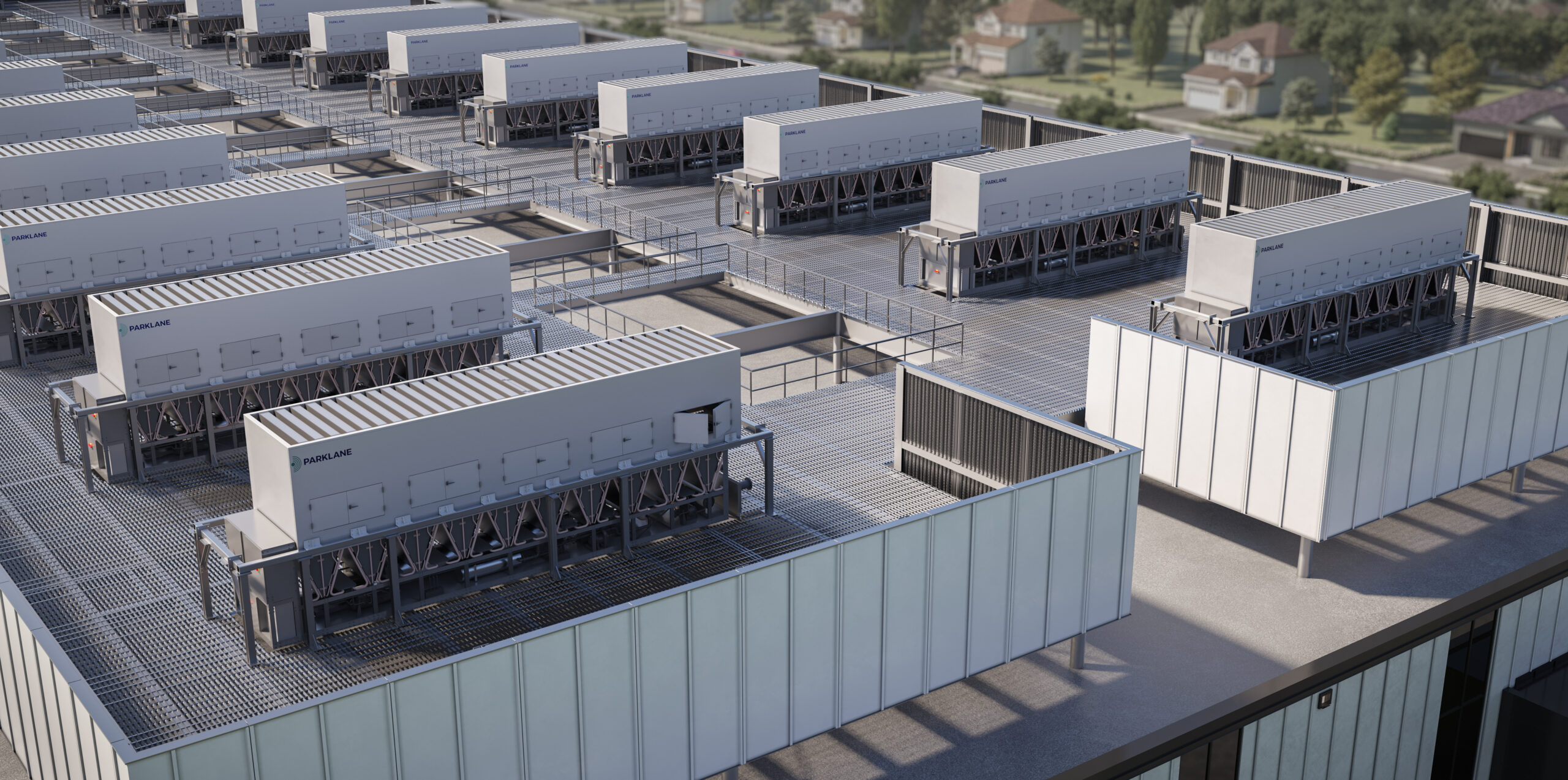
Operating 24/7, these facilities generate persistent low-frequency noise from cooling systems and backup generators. This type of noise can travel long distances and is often perceived as more disruptive than intermittent sound.
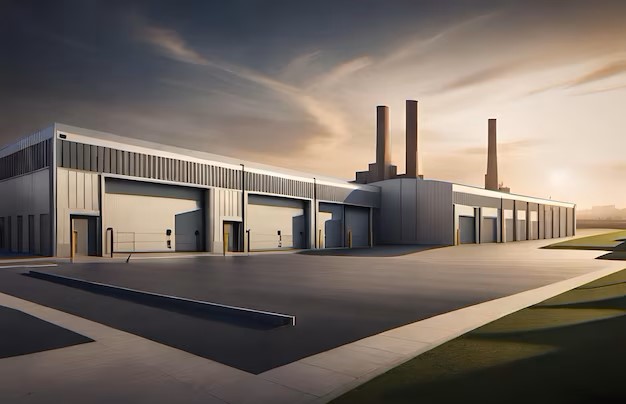
These sites often contain multiple outdoor noise sources (HVAC systems, exhausts, compressors, and utilities) that interact cumulatively rather than independently.
Equipment such as substations, transformers, and energy storage systems are frequently placed near quiet residential or natural areas, where background sound levels are low and tolerance is limited.

These environments must balance operational needs with heightened acoustic expectations from both occupants and neighboring communities.

New infrastructure & regulation lag
Data centers are a flashpoint because:
Sector Successes
Our experience spans multiple industries, from large industrial and institutional facilities to residential complexes. No project is too big or small.
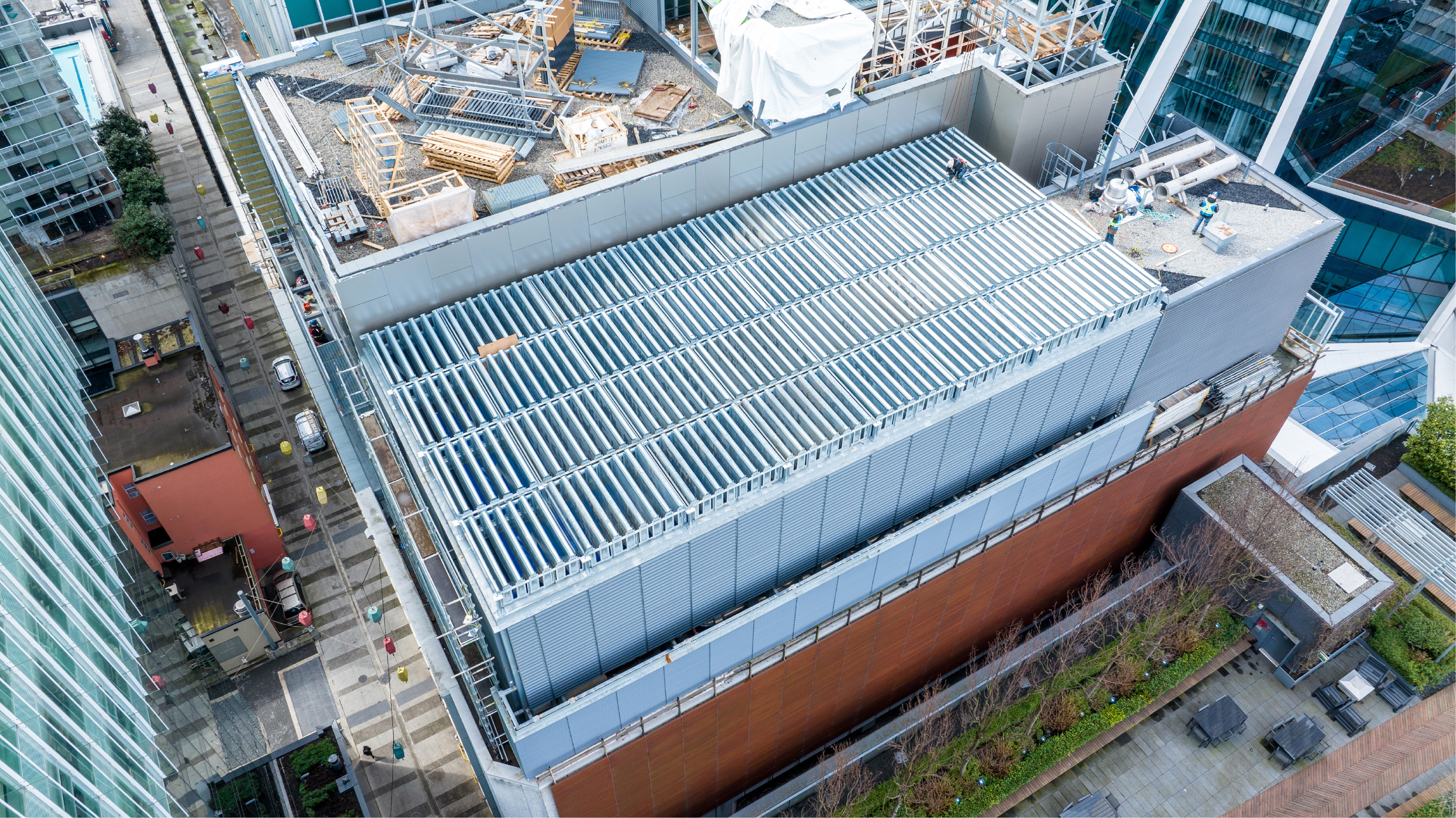
TELUS: Data Center
A strategic and custom Acoustic Penthouse solution for rooftop adiabatic dry coolers at a central TELUS Data Center.

Aggreko: Peak Shaving Generators
Modular Acoustic Plenums and Acoustic Intake Hoods for Industrial Peak Shaving Generators.

Hamilton Health Sciences
Custom intake and discharge silencers across three hospital generator installations.
Core Environmental Noise Control Issues
Environmental noise control works best when it is approached as a system.
The goal is not just to reduce decibel levels on paper, but to control how sound is generated, how it travels, and how it reaches people.
At-Source Attenuation
(Reducing Noise at the Equipment Level)
The most effective noise mitigation often starts at the source. By treating noise before it spreads, projects can avoid oversized barriers, reduce material costs, and achieve more predictable performance.
Typical approaches include:
Why At-Source Control Often
Beats Large External Barriers
In industrial facilities, generator and cooling fan noise can propagate across large distances. Installing a perimeter noise wall may reduce impact at the property line, but it does nothing to reduce internal reverberation, rooftop reflections, or tonal breakout.
In contrast, enclosing a generator or attenuating fan noise at the intake and exhaust prevents sound energy from ever escaping the system.
For example, in data center projects, enclosing rooftop mechanical units has proven more effective than constructing tall perimeter walls because it reduces tonal noise before it radiates into surrounding residential neighborhoods.
This approach also lowers the risk of future complaints if additional equipment is added.
At-source attenuation is often more compact, more targeted, and more scalable over time.
Path Control (Blocking or Redirecting Sound Between Source and Receptor)
When sound cannot be fully treated at the source, the next priority is controlling how it travels.
Common path control strategies include:
- Acoustic barriers and noise screens
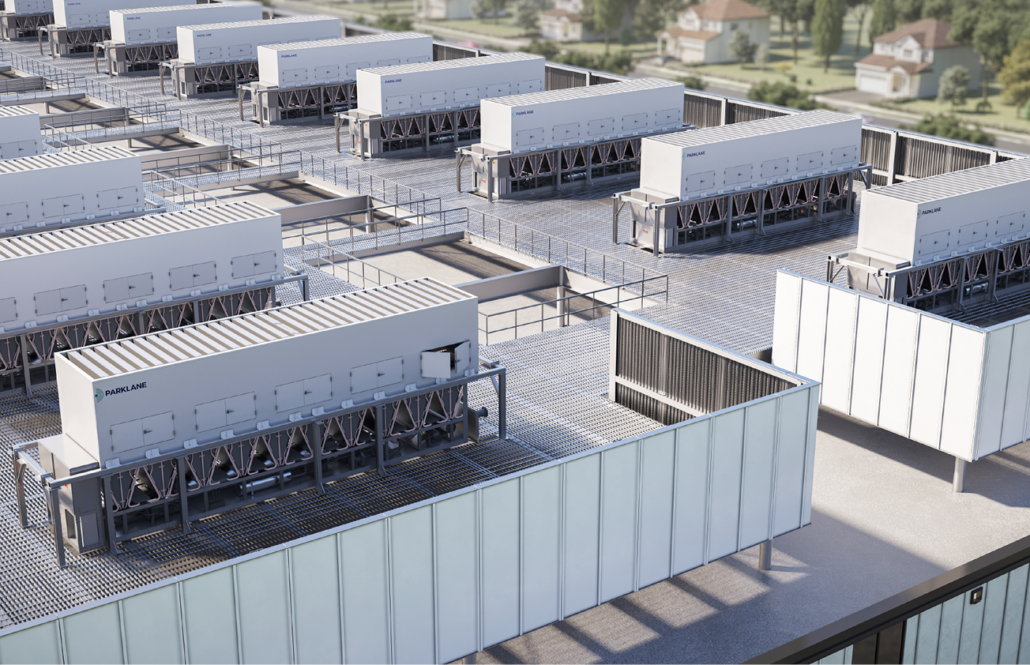
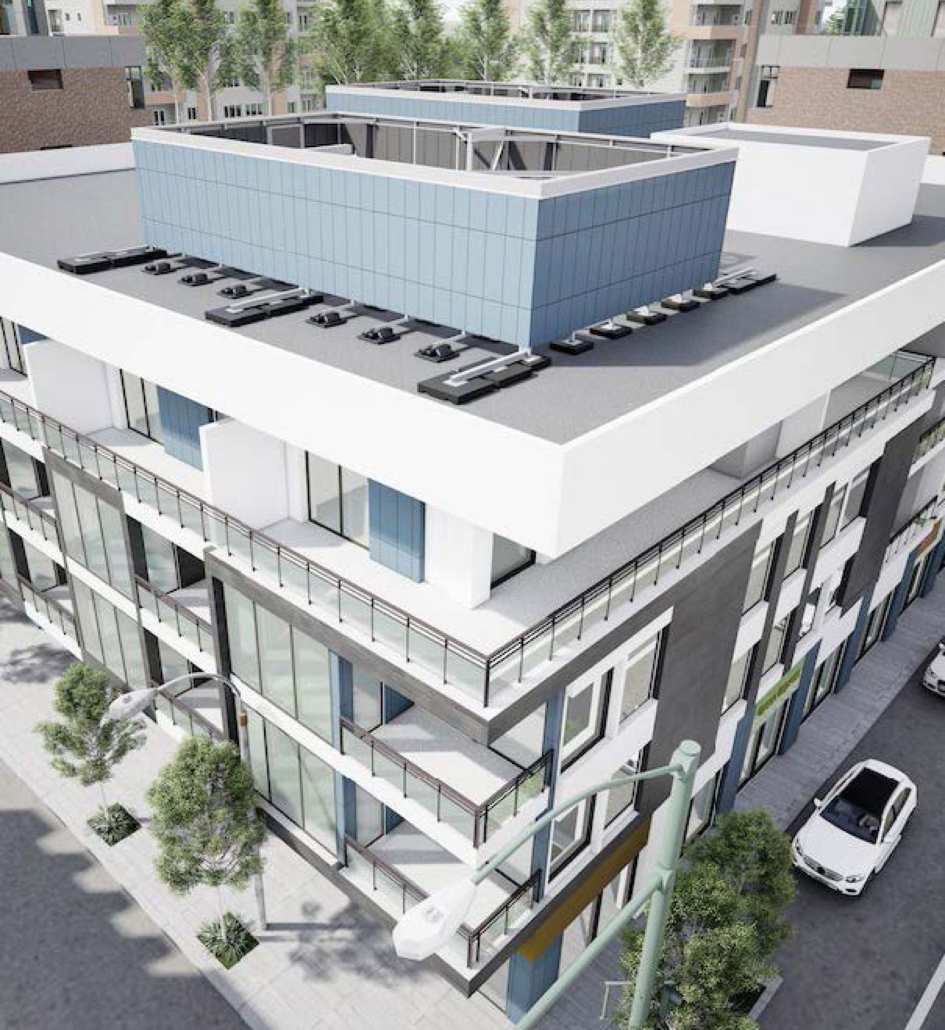
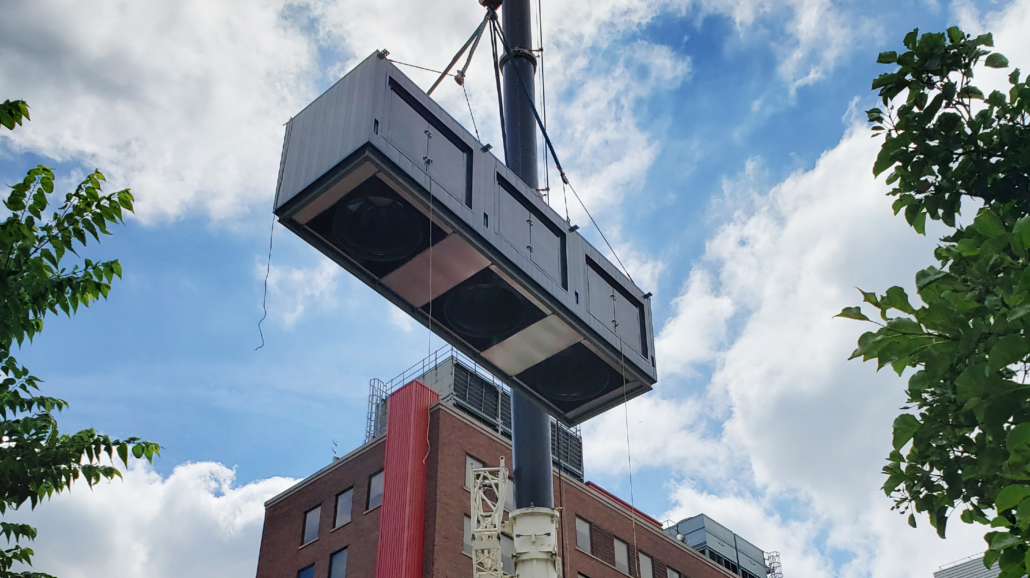
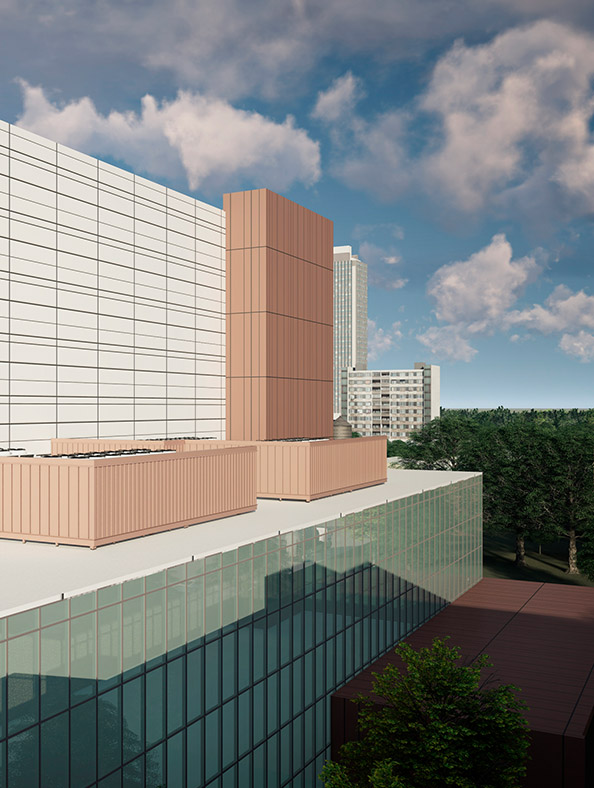
- Rooftop acoustic penthouses
- Strategic site layout and equipment repositioning where feasible
Why Path Control Matters In
Real-World Projects
In manufacturing plants located near mixed-use developments, acoustic screens placed between loading docks and nearby residential units can significantly reduce impact without disrupting plant operations.
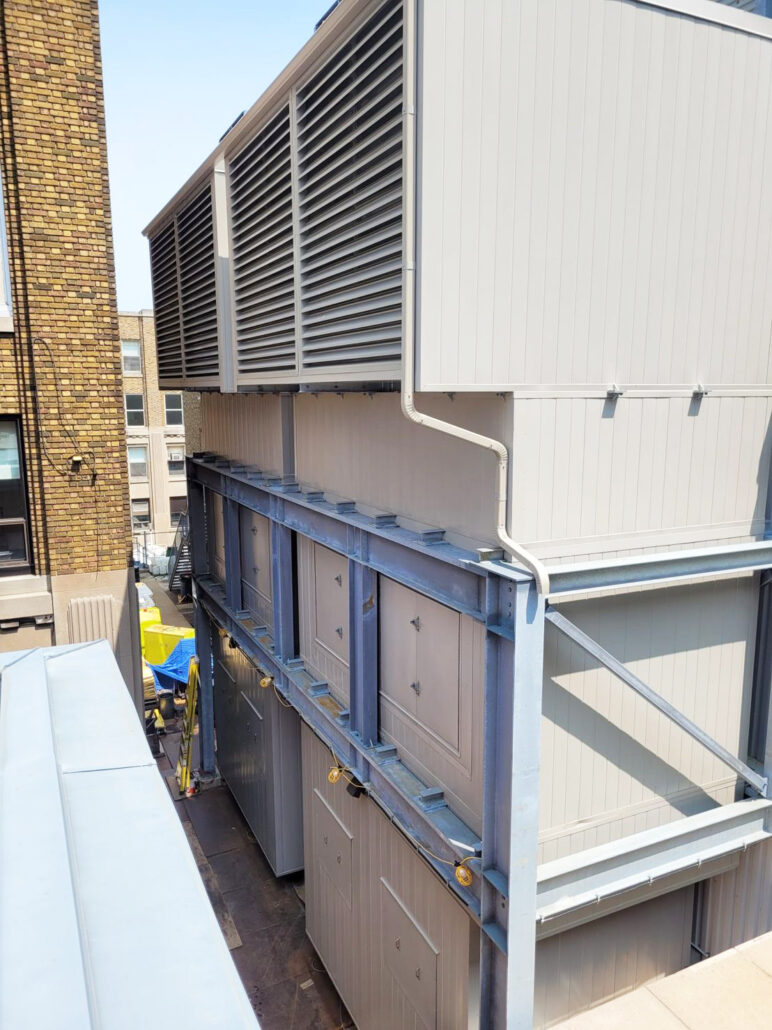
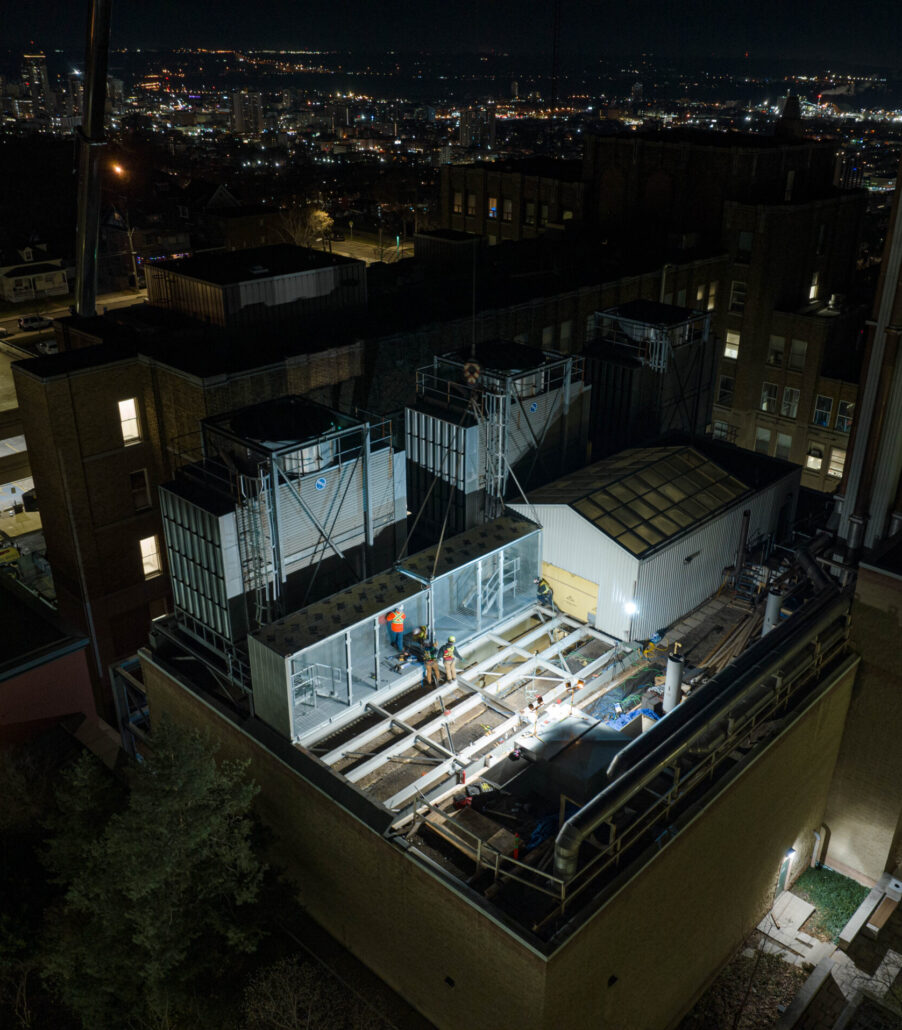
Similarly, rooftop penthouses around cooling equipment help prevent sound from reflecting off building facades and carrying into upper-floor residences across the street.
Path control is especially valuable when retrofitting existing facilities where replacing equipment is not viable.


Airflow-Related Noise Control
(Where Projects Get Technically Complex)
Noise control solutions must work without compromising ventilation, cooling, or process airflow. This is one of the most common failure points in poorly engineered systems.
Key tools include:
- Fan, Duct, and Exhaust Silencers
- Acoustic Plenums
- Louvers Engineered to Balance Airflow Pressure Drop With Sound Reduction
Why Engineering Precision Is Critical Here
A silencer that reduces noise but restricts airflow can cause overheating, increased energy consumption, or premature equipment wear. In mission-critical facilities, such as hospitals or data centers, airflow performance is just as important as acoustic performance.
For example, improperly selected louvers can create whistling tones under high wind load or restrict airflow enough to force mechanical systems to run harder, increasing both noise and operating costs.
Effective designs require computational airflow modeling, acoustic modeling, and real-world performance validation.
This is where acoustic engineering, CFD modeling, and mechanical coordination must work together.
Build Approach: Modular and
Prefabricated Noise Control Systems
Where possible, it is recommended to favor modular and prefabricated acoustic solutions over fully site-built systems.
Why Prefabrication Improves Outcomes
Prefabricated systems improve consistency because assemblies are built in controlled environments rather than variable site conditions.
They reduce installation risk by minimizing on-site labor, weather exposure, and construction sequencing conflicts.
They also simplify scheduling because modules can be manufactured in parallel with other construction activities.
From a long-term perspective, modular systems are easier to expand, modify, or replace as facilities evolve. They also improve serviceability, allowing components to be maintained or upgraded without dismantling large custom structures.
In practical terms, this means faster installs, fewer errors, more predictable acoustic performance, and systems that are easier to maintain over the life of the facility.
How Noise Is Assessed
The only reliable way to confirm whether a facility meets environmental noise regulations is through a professional acoustic assessment or modeling study.
Code limits and manufacturer specs alone are not enough. Real-world noise performance depends on site layout, operating conditions, reflections, background sound, and how equipment behaves under load.
A proper assessment ensures compliance is based on measured or predicted reality, not assumptions.
The typical assessment and solution process includes:
From Compliance to Competitive Advantage
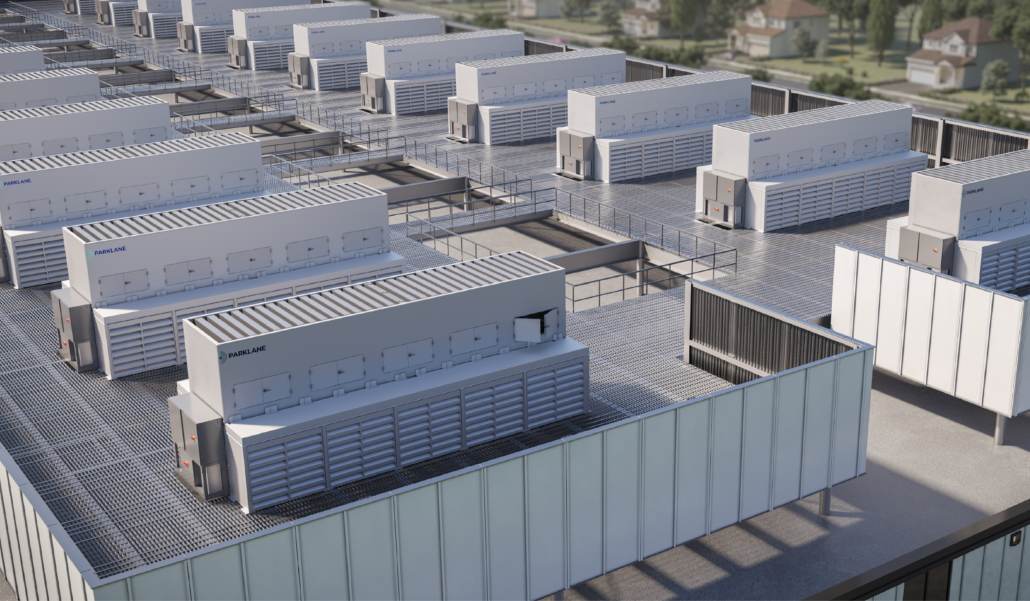
Most teams treat noise compliance like a box to check. Better teams treat it like operational insurance.
1) Community trust and well-being
Quiet sites reduce complaints, reduce political heat, and protect reputation. That matters in expansions and renewals.
2) Maintained operations
Noise control that is planned correctly prevents downtime, avoids emergency retrofits, and keeps equipment running as intended.
3) Serviceability
A noise solution that blocks access or forces shutdowns creates long-term cost and risk. Serviceability is not a “nice to have.” It is part of compliance staying true over time.
4) Reduced financial risk
Better planning avoids:
- permit delays
- redesign costs
- retrofits
- operating restrictions
- reputational damage that slows future approvals
Core Case Studies

GE: Aerospace Facility
Delivering Precision Sound Attenuation – Building Ventilation Silencers & Modular Acoustic Plenums
Industrial Food Facility
Modular Grade Barriers for refrigerated truck traffic and industrial process attenuation at a food production facility
Data Center Facility
Baffled plenum silencers to mitigate exhaust noise from custom air handlers on a mission-critical data center
Where Environmental Noise
Control Is Heading
Environmental noise is no longer an afterthought addressed at the end of a project. It is now a critical consideration shaping facility design from the earliest planning stages.
Today, it sits at the forefront of executive and operational discussions, recognized as a key factor in compliance, community relations, risk management, and long-term performance.
Data Quality As A Competitive Advantage
Owners are starting to demand better datasets from acoustic modeling. Planar data can be more meaningful than single-point assumptions. Some OEMs are moving from simplified one-line data to richer multi-line datasets that more accurately represent real-world conditions.
Better data up front leads to better solutions, fewer surprises, and a cleaner ROI story.
Soundscaping
Better understanding of the perception of noise and how it tracks.
Advanced Modeling and AI Tools
CFD is increasingly used to understand airflow, pressure drop, and how those decisions impact noise outcomes. This affects how louvers and plenums are designed and how performance tradeoffs are managed.
Better prediction of outdoor propagation, faster design iterations, and more confidence pre-construction.
Smart Noise Monitoring
Real-time outdoor noise data, alerts, trend tracking, and faster response when issues pop up.
How To Choose The
Right Partner
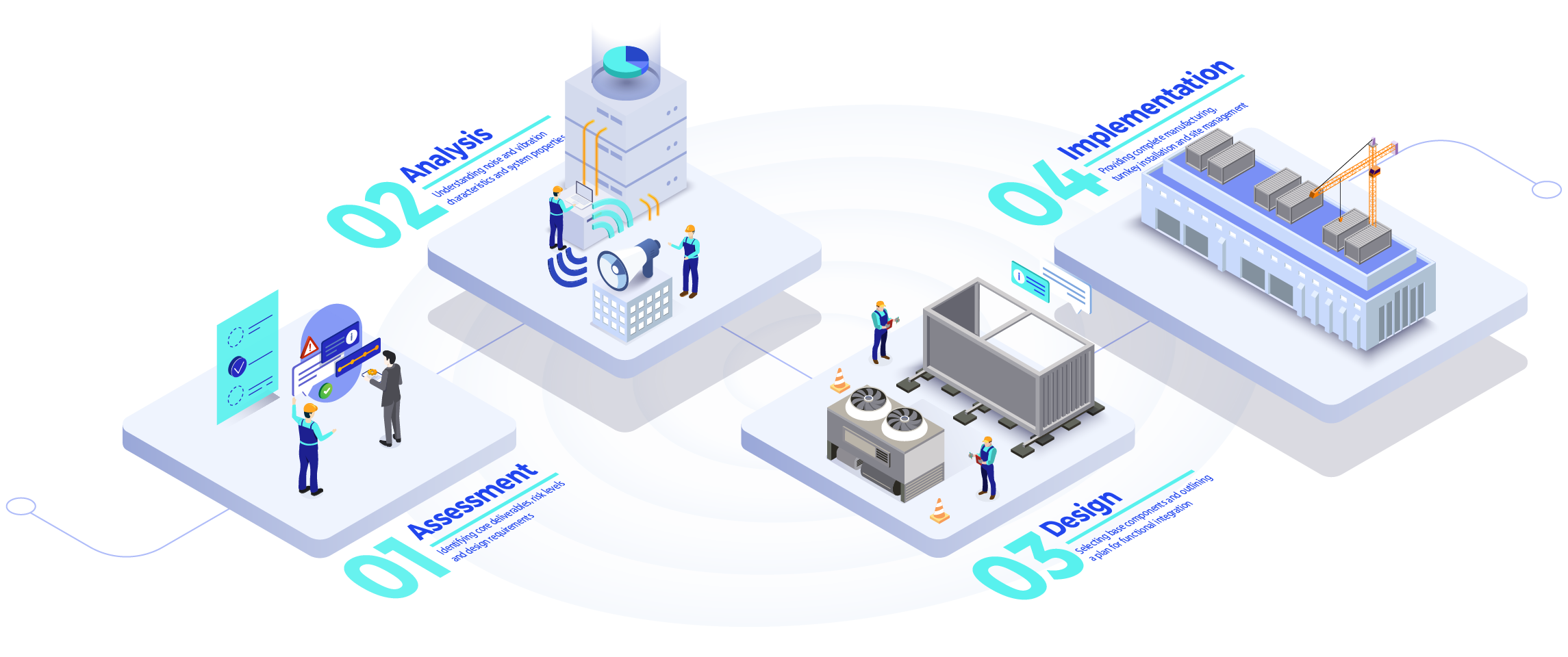
Choose a provider with proven experience designing environmental noise control systems that meet standards and hold up in the real world.
What Matters (partner checklist):
- Effective testing and modeling: knows how to define receptors, interpret results, and iterate designs
- Modular design and prefabrication: reduces schedule risk, increases quality, improves serviceability
- Serviceability mindset: designs noise control that does not punish maintenance teams later
- Cross-discipline coordination: integrates acoustics with airflow, access, structure, and utilities
- Risk safeguards: anticipates what breaks projects (permits, neighbors, night limits, tonal noise)
- Stakeholder collaboration: highly-collaborative partner that deeply understands and prioritizes the unique needs and values of OEMs, owners and operators.
- Turnkey service provider: from onset of the project until the end with guaranteed performance, find a partner that is well-integrated and manages every stage of the process.
- Full in-house engineering capabilities: acoustics, mechanics, structural. Oftentimes noise is the easy part of the solution, so having a team that can lead with highly effective structural solutions is essential.
Learn more about:
FAQs
What is the difference between sound and noise?
Sound is anything you can hear. Noise is sound people do not want. That perception layer is why “technically compliant” can still become a public issue.
Where do environmental noise limits apply (property line or nearest home)?
It depends on the local authority and the site. Limits often apply at the property line or at defined receptors like the nearest residence, schools, or hospitals.
How do you know if your facility meets local noise regulations?
You do it through professional measurement and modeling, using site-specific receptors and time-of-day conditions, then comparing results against applicable limits.
How do you know if your local regulations are sufficient?
You test them against real-world conditions. If the ordinance ignores tonal noise, ignores night conditions, or defines receptors poorly, you can be “legal” and still get crushed by complaints and political pressure. “Sufficient” means it protects operations and community tolerance, not just paperwork.
What is the ROI of investing in environmental noise control?
ROI comes from avoiding permit delays, retrofits, operating restrictions, maintenance downtime, and reputational damage that slows future approvals. The best ROI usually comes from early planning and solutions designed for long-term serviceability.